ご要望またはご協力できることがございましたらお気軽にお問い合わせください
一般的なお問い合わせと所在地情報
お問い合わせ


エンドツーエンドの信頼性のためのサプライチェーン自動化とオーケストレーション
システム全体で計画、実行、データを調整し、サプライチェーンのワークフローを信頼性、柔軟性、予測可能性を保ちながら変化する環境で維持します。
Why Supply Chain Automation Still Fails at Scale
Even in fast-moving automated supply chains, workflows often still run across disconnected systems and partners without consistent orchestration or oversight.
This fragmentation lets a single upstream issue cascade downstream, causing missed SLAs, delayed shipments, and constant operational firefighting.
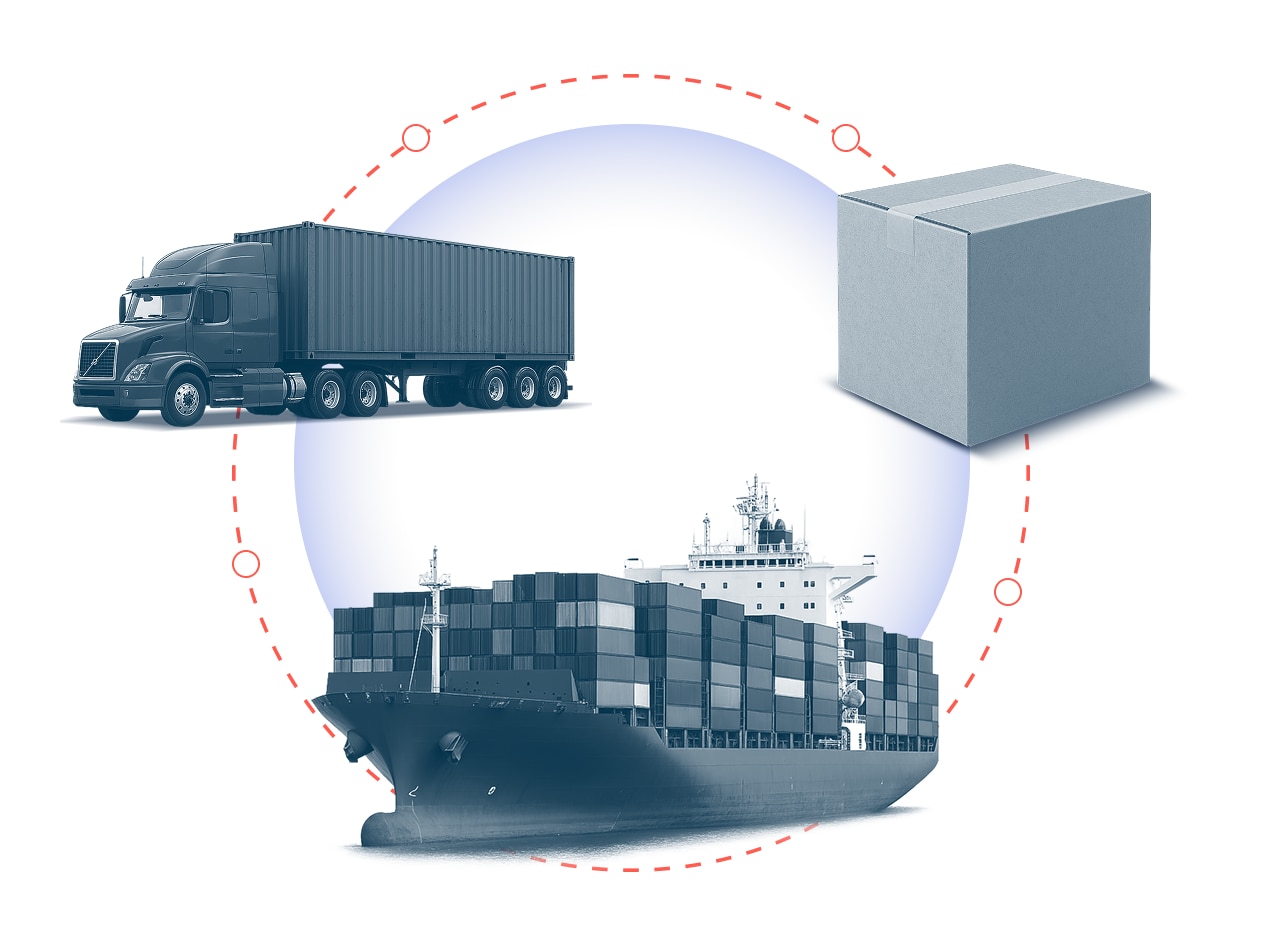
実際の運用でのこれがどのように見えるか
サプライヤーの出荷が数時間遅れています。その単一の混乱がサプライチェーン全体に連鎖反応を引き起こします。
-
出荷遅延
遅延または変更された受入れ納品
-
在庫ギャップ
在庫未受領、可用性の不一致
-
フルフィルメントの混乱
注文が遅延し、バックオーダーが作成されました
-
輸送の再作業
荷物の見逃し、再スケジュール、迅速化
-
顧客への影響
納品日の見逃し、SLAリスク、エスカレーション
テイクアウェイ: システム間での調整がなければ、チームはあまりにも遅れて反応します—そしてしばしば手動で—下流の影響がすでに発生した後で。
Supply Chain Automation vs. Orchestration
Supply chain automation is about getting individual tasks done faster and more reliably—things like processing orders, updating inventory, or moving data between systems without human intervention.
Supply chain orchestration is about making sure all of that automated work happens in the right order, at the right time, and for the right reason—across systems, teams, and trading partners.
This matters most when supply chains stop running on assumptions and start running in practice. True supply chain orchestration means:
- Work starts when prerequisites are actually met, not when the schedule says they should be
- Dependencies are enforced by the system, rather than managed through emails, spreadsheets, or tribal knowledge
- Problems surface early, before a small delay turns into a missed shipment or production shortfall
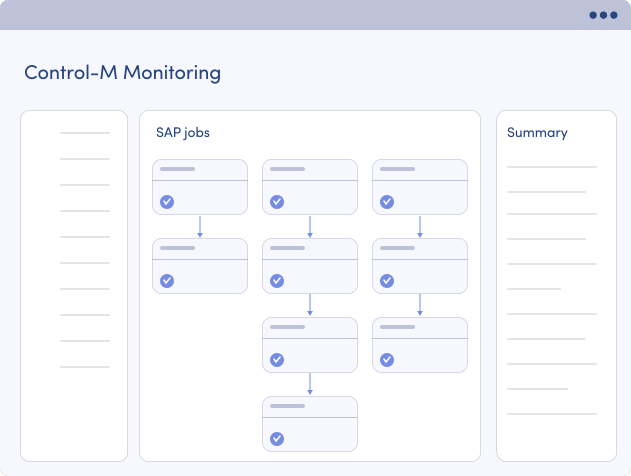
現代のサプライチェーンにおけるオーケストレーションの役割
オーケストレーションはシステム、データ、ワークフローを接続し、サプライチェーン運用が正しい順序で実行され、実際の条件に適応し、依存関係、例外、システムを通じて調整されるようにします。
学び: オーケストレーションは自動化を信頼性の高い、スケーラブルな実行に変えます。
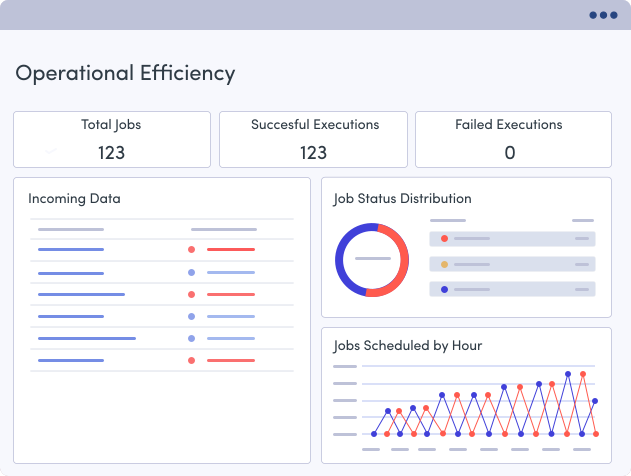
オーケストレーションがサプライチェーンKPIに与える影響
オーケストレーションは、プロセスをより信頼性が高く、より良く調整することで、コアサプライチェーンパフォーマンス指標を直接改善します:
-
時間通り、完全に(OTIF)
リアルタイムの準備状況に基づいて注文が履行されることを確保する
-
注文サイクル時間:
手動調整や再作業による遅延を減少させる
-
在庫回転率:
実際の需要信号に基づいて補充を調整する
-
サービスレベル:
混乱時でも一貫したパフォーマンスを維持する
-
運用効率:
手動介入と例外処理を減少させる
Supply Chain Automation Pitfalls Not Fit for Scale
Most organizations rely on a mix of tools. Each plays a role—but introduces limitations at scale.
Embedded ERP Schedulers
Work well for managing workflows within ERP environments, but break down when visibility and coordination are needed across external systems and partners.
Custom Scripts and Integrations
Great for solving targeted automation gaps quickly, but often become fragile, hard to scale, and difficult to govern over time.
Point Automation Tools
Strong for automating specific tasks like file transfers and APIs, but unreliable when execution is siloed and disconnected from upstream and downstream dependencies.
Enterprise Workload Automation Platforms
Fit for managing large-scale batch processing, but often remain IT-centric and limited in their ability to orchestrate real-time, cross-system business workflows.
Supply Chain Automation Solution Comparison—At a Glance
Below is a comparison of common solution types and how they differ in scope, scalability, and orchestration capability.
| Capability | ERP Schedulers | IPaaS | RPA | Custom Scripts | Workflow Orchestration (Control-M) |
|---|---|---|---|---|---|
| End-to-end orchestration |  |  | | |  |
| Cross-system dependency management | | | | | |
| Event-driven + batch support | | | | | |
| Real-time visibility | | | | | |
| Scalability across partners | | | | | |
| Built-in recovery | | | | | |
Takeaways:
- ERP schedulers manage tasks within a single system
- iPaaS platforms focus on API-level integration
- RPA tools automate repetitive user interactions
- Custom scripts solve isolated problems quickly
- Workflow orchestration platforms like Control-M unify all of these—providing a single layer that coordinates systems, data, and processes end to end.
Learn more about enterprise workflow orchestration platforms
最高のサプライチェーンオーケストレーションソリューションの機能
主要なプラットフォームは、タスクの自動化を超えて完全なプロセスオーケストレーションを可能にします:
エンドツーエンドのオーケストレーション
アプリケーション、データパイプライン、パートナーシステム全体でワークフローを調整します。
イベント駆動の実行と依存関係管理
プロセスが実際の条件と正しい順序に基づいて実行されることを保証します。
リアルタイムの可視性
サプライチェーン全体のワークフローのステータス、リスク、パフォーマンスを確認します。
組み込みの障害処理
問題がエスカレートする前に自動的に検出し、解決します。
エコシステム全体でのスケーラビリティ
断片化することなくグローバルな運用とパートナーネットワークをサポートします。
ガバナンスと監査可能性
すべてのワークフローでコンプライアンス、トレーサビリティ、制御を維持します。
テイクアウェイ: これらの機能が欠けているソリューションは、失敗を防ぐのではなく、速やかな失敗を自動化することが多いです。
Questions to Ask When Evaluating Providers of Supply Chain Automation
When selecting a supply chain automation solution, you can use these questions to better understand vendor capabilities and limitations.
| Evaluation Area | Key Questions to Ask Vendors |
|---|---|
| End-to-End Orchestration | Can your platform coordinate workflows across ERP, cloud, SaaS, and partner systems? How does it manage dependencies between data pipelines and operational processes? |
| Event-Driven and Real-Time Execution | Does the solution support both scheduled and event-driven execution? Can it trigger workflows automatically based on upstream events or exceptions? |
| Visibility and Monitoring | What level of real-time visibility does the platform provide across workflows? How are failures, delays, or exceptions surfaced to operations teams? |
| Failure Handling and Recovery | Does the platform automatically detect and recover from failures? How does it prevent downstream impact when a process fails? |
| Scalability and Hybrid Support | Can it scale across multiple regions, business units, and partner ecosystems? How does it handle hybrid environments (on-prem, cloud, SaaS)? |
| Governance, Security, and Compliance | What audit trails and reporting capabilities are built in? How does the platform enforce security and governance across workflows? |
| Time-to-Value and Integration | How long does implementation typically take for enterprise-scale operations? What support exists for integrating with existing planning, logistics, and analytics systems? |
| Proven Outcomes | Can the vendor provide examples of reduced operational risk, faster recovery, or improved SLA adherence? Are there case studies relevant to similar-sized or industry-specific supply chains? |
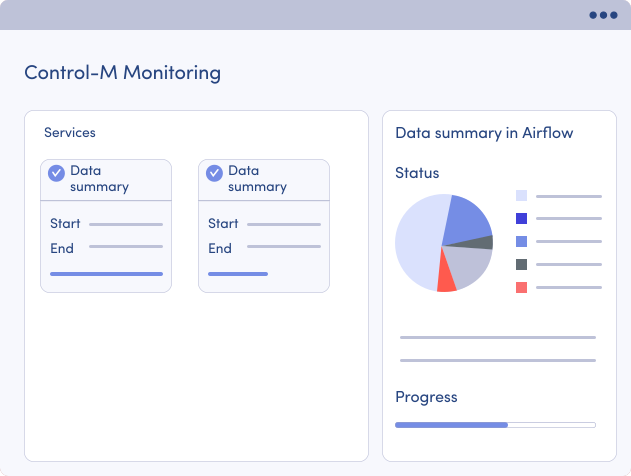
サプライチェーン自動化のためにControl-Mに標準化する理由
Control-Mはチームが:
-
ERPシステム、クラウドプラットフォーム、データパイプライン、API、およびビジネスアプリケーション全体でワークフローをエンドツーエンドでオーケストレーションする
-
中央集中的な可視性、アラート、および積極的な問題検出を使用して複雑な依存関係をリアルタイムで管理する
-
自動回復とエラーハンドリングを伴うプロセスの信頼性のある、SLA駆動の実行を確保する
学び: もう一つのツールを追加するのではなく、Control-Mは統一されたオーケストレーションレイヤーとして機能し、分散オペレーションに一貫性、予測可能性、制御をもたらします。
Control-Mを使用している組織が一般的に報告すること
顧客のストーリーがもっとあります30〜50%
エンドツーエンドの自動化とオーケストレーションを通じてワークフロー全体での手動介入の削減
90〜95%
依存関係を積極的に管理し、タイムリーな実行を確保することによって、最大90〜95%のSLA遵守
50〜70%
自動エラーハンドリング、アラート、再実行機能により上流の障害からの迅速な回復
2〜3倍
ピーク需要時の運用レジリエンスの改善、高ボリューム期間中の一貫したパフォーマンスを可能にする
Control-Mによるトップサプライチェーンオーケストレーションユースケース
受注から現金化の自動化
受注から現金化のフロー全体を自動化します—受注の検証から請求書発行、フルフィルメントまで—注文がより速く進み、エラーが減り、顧客が必要なものを時間通りに受け取ることができます。
在庫管理と補充
在庫レベルを自動的に監視し、在庫不足や過剰になる前に補充をトリガーして、需要に合わせて在庫を整えておきます。
サプライヤー統合とデータ交換
SAPのようなサプライヤーやシステムとシームレスに接続し、発注書、出荷の更新、および予測を自動化します—これにより手動の引き渡しを排除し、常に明確で最新のビューを得ることができます。
生産計画とスケジューリング
需要、能力、リソースを1つの自動化フローで同期させ、生産をスケジュール通りに保ち、高価な遅延やボトルネックを回避します。
物流と出荷追跡
キャリアと倉庫全体でリアルタイムの更新を使用して出荷を追跡し、遅延を迅速に特定し、納品を軌道に乗せることができます。
How Companies Improved Supply Chain Operations with Control-M
Teams use Control-M to keep orders moving, stay ahead of disruptions, and connect everything across systems and partners so nothing falls through the cracks.
Keeping Supply Chains Running Through Disruption
Companies like Hershey and Colruyt use Control-M to keep critical supply chain processes in sync across ERP and cloud systems—so when disruptions happen, teams can respond earlier and avoid downstream impact.
View mini-case study
Real-Time Visibility for Supply Chains
Railinc uses Control-M to keep large volumes of operational data flowing on time—so teams can track assets, spot issues earlier, and make decisions based on current information across the rail network.
View mini-case study
Scaling Supply Chains Without More Headcount
Ingram Micro uses Control-M to manage over 900,000 supply chain transactions across orders, invoicing, warehousing, and logistics—helping a small team run high-volume operations efficiently and reliably.
View mini-case study
アナリストレポート
BMCがこのGartner®レポートでリーダーに選ばれた理由を確認してください

2025年マジッククアドラント™サービスオーケストレーションおよび自動化プラットフォーム
サプライチェーンオーケストレーションFAQ
何かを取り替える必要がありますか、それともControl-Mが既存のものを接続してオーケストレーションできますか?

Control-Mは、私たちのチームがサプライチェーンのイベントや問題に迅速に対応するのをどのように助けますか?
Control-Mを使ってサプライチェーンタスクを始めるにはどれくらいの時間がかかりますか?
何かがうまくいかなかった場合、Control-Mはどのようなサポートを提供しますか?
サプライチェーンオーケストレーションFAQ
何かを取り替える必要がありますか、それともControl-Mが既存のものを接続してオーケストレーションできますか?
Control-Mは、私たちのチームがサプライチェーンのイベントや問題に迅速に対応するのをどのように助けますか?
Control-Mを使ってサプライチェーンタスクを始めるにはどれくらいの時間がかかりますか?
何かがうまくいかなかった場合、Control-Mはどのようなサポートを提供しますか?
