ご要望またはご協力できることがございましたらお気軽にお問い合わせください
一般的なお問い合わせと所在地情報
お問い合わせ


リスクとコンプライアンスを制御するためのAIガバナンスの運用化
モデルの監視を超え、ランタイムでAIガバナンスポリシーを強制し、パイプライン間の依存関係を管理し、コンプライアンスを維持しながらAIリスクを削減します。
AI governance doesn't fail in models. It fails in execution.
Organizations spend a lot on model validation, fairness checks, and data quality—but the real risk shows up during execution, when pipelines fail, dependencies are missed, or policies aren’t consistently applied. Orchestration-driven governance fixes this by putting policies and compliance directly into workflows. It applies enterprise guardrails in live production pipelines—not just in testing—so AI operations run reliably, are auditable, and stay compliant.
なぜAIガバナンスが生産環境で失敗するのか
ほとんどのAIガバナンス戦略は展開後に崩壊します。なぜなら、AIワークフローや生産パイプラインで実際に起こることを制御しないからです。
リスクが現れる場所:
- 失敗したりスキップされたパイプラインステップ
- 制御されていないモデルの再学習やデータドリフト
- SLAの違反や監査証跡なしの手動オーバーライド
断片化されたツールが体系的なリスクを加えます:
- 実行中のワークフローに関するリアルタイムでの可視性が限られている
- プロアクティブな制御の代わりにリアクティブな消火活動
- ポリシーは定義されているが、パイプライン全体で一貫して施行されない
オーケストレーションがなければ、ガバナンスは施行できません。ガバナンスがなければ、オーケストレーションを信頼できません。これにより、組織はAIリスクや規制のギャップにさらされます。
AIワークフローの失敗がビジネスに与える影響は何か
AIワークフローの失敗は、財務的損失、運用の中断、規制のリスクに直接つながります。ビジネスへの影響は以下の通りです:
収益の損失と見逃した機会
遅延または失敗したAI出力(例:詐欺検出、価格最適化、レコメンデーションエンジン)は、取引の見逃し、収益の漏出、または顧客体験の悪化を引き起こす可能性があります。
運用の非効率性と消火活動
中央集権的なワークフローオーケストレーションがなければ、チームは壊れたパイプラインの手動トラブルシューティング、ジョブの再実行、一貫性のない出力の調整に多くの時間を費やし、運用コストが上昇します。
規制とコンプライアンスのリスク
不完全な監査証跡、一貫しないポリシー施行、管理されていないオーバーライドは、特に説明責任とトレース可能性が必須の規制産業において、監査の際にリスクを生じさせます。
SLA違反とビジネスの中断
AI駆動の意思決定はしばしば時間に敏感です。ワークフローが失敗したり遅れたりすると、下流のシステムやビジネスプロセスに影響を与え、SLAの違反やサービス提供の低下につながります。
要点: ガバナンスが実行中に施行されないと、小さなパイプラインの問題がすぐにビジネスの失敗にエスカレートする可能性があります。
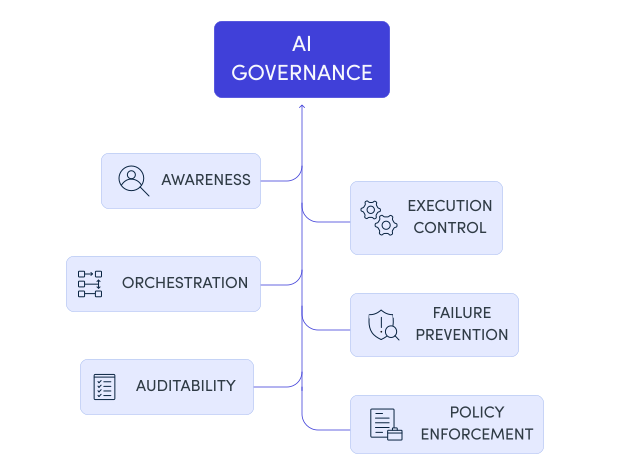
エンタープライズAIガバナンスに必要なもの
生産環境でAIを安全に制御するためには、組織はワークフローの実行に直接組み込まれたガバナンス機能が必要です。
主要な要件:
-
依存関係とリスクの認識: データ取り込み、特徴エンジニアリング、モデル実行、下流システムを通じてマルチステップのAIパイプラインを理解し管理します。
-
リアルタイム実行制御: ワークフローが進行する前に、ランタイムでポリシーを施行します(例:承認、しきい値、条件)。ポリシー制御されたオーケストレーションにおけるランタイム施行を実際に確認してください。
-
クロスプラットフォームオーケストレーション: クラウド、オンプレミス、ハイブリッド環境全体で一貫してワークフローを管理します。
-
障害防止とSLA管理: ビジネスの成果に影響を与える前に問題を検出し解決します。
-
エンドツーエンドの監査可能性: AIのコンプライアンスと規制報告のために、何が実行され、いつ、なぜ、どのポリシー条件の下で実行されたかを追跡します。
すべての実行の完全なストーリーをキャプチャします。監査証跡と系譜で学びましょう。
-
スケールでのポリシー施行: 手動介入なしで、何百ものパイプライン全体に一貫したガードレールを適用します。
一つのガードレールは簡単ですが、千は計画が必要です。AIエージェントのための実行ガードレールを手に入れましょう。
なぜ従来のAIガバナンスアプローチは不十分なのか
ワークフローのレベルでのオーケストレーションがなければ、ポリシーは理論のままです。生産環境で一貫して施行することはできません。
| アプローチ | 制限 |
|---|---|
| モデルガバナンスツール | ワークフロー制御が限られている; モデル品質メトリックには強い |
| データガバナンスプラットフォーム | 系譜と品質には良好だが、実行制御が弱い |
| カスタムパイプライン / スクリプト | 柔軟だが、スケーラブルではなく、信頼性のある監査が難しい |
| ポイントオーケストレーションツール | クロスプラットフォームのリーチが限られている; ポリシーの施行が一貫していない |
要点: 従来のガバナンスアプローチはAIを監視したり文書化したりしますが、実行中の制御やリアルタイムでのリスク管理は行いません。
生産AIにおけるオーケストレーション主導のAIガバナンスのビジネス価値
個々のモデルで成功を測るのではなく、ワークフローオーケストレーションはAIシステムが生産環境でどのように機能するかを改善し、コスト効率、運用リスク、意思決定の信頼性、スケールに影響を与えます。
Reduced risk and operational effort
Manual monitoring, restarts, and handoffs create hidden risk at scale. Workflow orchestration automatically manages retries, dependencies, and failures, so teams focus only on exceptions. This reduces friction, prevents cost creep, and keeps AI running smoothly as adoption grows.
Decisions you can trust
Late or misaligned AI outputs can be as harmful as wrong outputs. Workflow orchestration helps ensure AI pipelines run only when inputs are ready and in the correct order.
より迅速で予測可能な回復
パイプラインの失敗は発生しますが、混乱は必要ありません。オーケストレーションは、事前定義された回復パスと依存関係の完全な可視性を提供し、ダウンタイム、無駄な調整、複合エラーのリスクを最小限に抑えます。
スケールでの制御
AIが広がるにつれて、ワークフローオーケストレーションは、チームとシステム間で一貫した実行を確保するのに役立ちます。ログを中央管理し、依存関係をマッピングし、リアルタイムで例外を浮き彫りにすることで、チームに可視性、予測可能性、監査可能性を提供し、成長が盲点や管理されないリスクを生まないようにします。
監査準備の整ったAIワークフロー
すべてのワークフローの実行が記録されます。何が実行され、いつ、どのデータで、例外がどのように処理されたかが記録されます。これにより、調査が簡素化され、ガバナンスが強化され、追加の手動追跡なしで監査と規制の準備が簡素化されます。
Control-MがプロダクションにおけるAIガバナンスをどのように実現するか
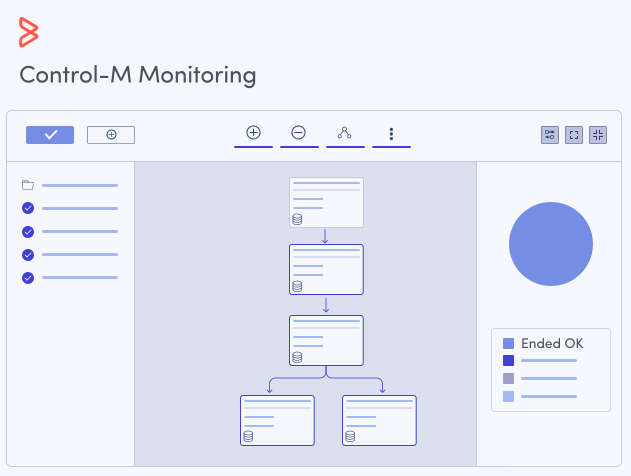
Control-M は、AIを実行層で管理する ワークフローオーケストレーションプラットフォーム です。ここでパイプラインが実行され、決定が行われ、リスクが現実化します。
これを実現するために:
- エンドツーエンドのAIワークフローをオーケストレーション - データ、モデル、ビジネスプロセスを単一の制御されたパイプラインに接続します—取り込みからアクションまで。
- 実行に沿ったポリシーを強制 - ワークフローに承認、しきい値、コントロールを直接組み込み、すべての実行が自動的にガバナンスルールに従うようにします。リスクのあるアクションを実行前に停止します。AIエージェントのための実行ガードレールでその方法を確認します。
- システム間の依存関係を制御 - モデルが有効なデータで、正しい順序で、ハイブリッドおよびマルチクラウド環境でのみ実行されることを保証します。
- 運用ガードレールを埋め込む - AI出力が使用される前に検証、人的承認、例外処理をトリガーします。人間が「はい」と言うべき時を正確に知ります。人的承認ゲートの設計に関するガイドをお読みください。
- デフォルトで監査可能性を提供 - 実行記録を完全にキャプチャします—何が実行され、いつ、どのような入力と結果であったか—コンプライアンスとリスク管理のために。すべての実行を初日から監査準備完了にします。監査トレイルと系譜を使用します。
主要な差別化点: Control-Mは、実際のAIリスクが発生する実行層で操作します。モデルを監視するだけではなく、系譜を追跡します。チームは、実行時点でポリシーを強制し、ツールアクセスを管理し、監査トレイルを維持するためにオプションでMCPを介して接続できます—すべてのステップで企業のAIガードレールを可能にします。
High-Value AI Governance Use Cases
AI governance matters most when systems are making decisions, accessing sensitive data or triggering actions which carry real financial, operational, and compliance risk. Organizations moving AI into production need clear controls, visibility, and accountability to ensure outcomes are safe, explainable, and aligned with policy. Some critical use case examples include:
Coordinating Multi-Stage AI Pipelines
Prevent failures across interconnected ML, ETL, and analytics workflows.
SLA-Driven AI Execution
Ensure time-sensitive AI outputs (e.g., fraud detection, pricing) are delivered reliably.
Hybrid AI Workflow Governance
Control AI pipelines across on-prem, cloud, and multi-cloud systems.
Audit-Ready AI Operations
Maintain full traceability for AI compliance, audits, and risk management.
AIガバナンスソリューションを評価する方法
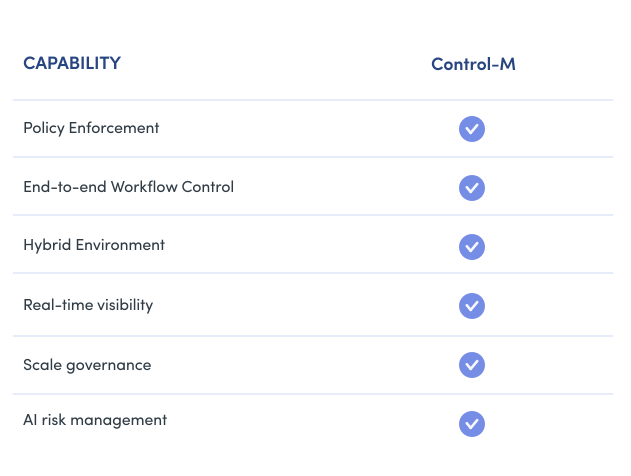
AIガバナンスプラットフォームやツールを比較する際には、次のことを尋ねてください:
- ランタイムでポリシーを強制できますか—定義するだけではなく?
- エンドツーエンドのワークフローを制御しますか、それともモデル/データのみですか?
- ハイブリッドおよびマルチクラウド環境で操作できますか?
- 実行のリアルタイムの可視性を提供しますか?
- 数百のパイプラインにわたってガバナンスをスケールできますか?
- AIリスク管理とコンプライアンス追跡を統合していますか?
重要なポイント: これらのいずれかに対する答えが「いいえ」であれば、AIリスクは制御されていないままです。
AI Governance FAQs for Control-M
Why isn’t model governance alone enough to manage AI risk?

Most AI risk doesn’t come from the model itself—it emerges during execution, when workflows run across multiple systems, dependencies, and environments.
Model and data governance help ensure quality and compliance before deployment, but they don’t prevent pipeline failures, missed outputs, or policy violations in production.
To manage AI risk effectively, governance must extend into live workflows—where decisions are actually executed.
How do I control AI safely in production environments?
How do I make AI workflows audit-ready without adding manual work?
Will adding governance slow down my AI pipelines?
Do I need to replace my existing AI or data tools to implement workflow-level governance?
Do I need to replace my existing AI or data tools to implement workflow-level governance?
AI Governance FAQs for Control-M
Why isn’t model governance alone enough to manage AI risk?
Most AI risk doesn’t come from the model itself—it emerges during execution, when workflows run across multiple systems, dependencies, and environments.
Model and data governance help ensure quality and compliance before deployment, but they don’t prevent pipeline failures, missed outputs, or policy violations in production.
To manage AI risk effectively, governance must extend into live workflows—where decisions are actually executed.
How do I control AI safely in production environments?
How do I make AI workflows audit-ready without adding manual work?
Will adding governance slow down my AI pipelines?
Do I need to replace my existing AI or data tools to implement workflow-level governance?
Do I need to replace my existing AI or data tools to implement workflow-level governance?
Guides for Putting AI Governance into Practice
AIエージェントのための実行ガードレール
AIエージェントが行うことができることに制限を設ける、行動する前に。
もっと学ぶ
Audit Trail & Lineage
何が実行され、いつ、なぜ、どのポリシーの下で実行されたかを追跡します。
Learn more
Designing Human Approval Gates
Put people in the loop where the risk is highest.
Learn more
Policy-Controlled Orchestration
Enforce governance rules at runtime, on every run.
Learn more
