

Make better-informed and faster decisions
Having access to hard data from diverse areas of an organization can empower leadership to make more informed decisions and get there more quickly.
一般的なお問い合わせと所在地情報
お問い合わせ

Data integration pulls together information from a range of sources and modifies it into a single format. For companies with diverse data repositories across multiple divisions and functions, care must be taken to properly identify and scope the project. A data integration process generally encompasses the following steps:
The organization needs to identify all the sources of data that need to be integrated into the unified solution. This could include databases (on premises and cloud-based), APIs, legacy systems, and spreadsheets.
Using appropriate tools or processes, data is extracted from the identified sources. This may involve pulling files from remote locations, database queries or API-driven data retrieval.
While different data sources may contain similar information, they may use different terminologies, or structures of code to represent it. To achieve the desired data alignment during the integration process, developers create and implement a mapping schema to define how data elements from different systems correspond to one another.
Data validation is performed, which involves reviewing the data to identify any errors or data integrity issues to demonstrate accuracy and quality. QA processes are implemented to maintain reliability and accuracy in the unified data.
The extracted data is merged into a common format for compatibility and consistency. This may include additional levels of data cleansing, enrichment, and normalization.
In this stage, the transformed data is loaded into its desired location, such as a data warehouse, for further analysis and reporting. Depending on the requirements, the data loading process might be conducted via batch loading or real-time loading.
Data synchronization keeps integrated, processed data up to date and current. This may be accomplished via periodic updates, such as overnight or during off-peak hours, or by way of real-time synchronization if immediate integration of new data is required.
Industries such as healthcare and finance face additional legal scrutiny related to privacy and security. Data governance practices ensure that sensitive data is integrated and handled in compliance with regulatory and privacy requirements.
Users of integrated data may need additional ways to understand the data’s source, meaning and context more easily. This is greatly enhanced by access to metadata, which provides information about the integrated data and enhances its discoverability and usability.
The integrated data sets can be accessed and analyzed via a range of tools, including reporting solutions, BI software, and specialized analytics platforms. Analysts and decision makers will be empowered to capture insights for better business strategies and faster decision making. By integrating data from a range of sources, cleansing it, putting it into a common format and keeping it current, companies can have a unique tool in their arsenal to make better decisions faster and support their DataOps initiatives.
データ統合には、各々に利点と欠点があるいくつかの異なる種類があります。
The classic data processing approach, ETL is a bulk or batch data movement approach that extracts data from its source to some sort of midpoint staging area, where it is transformed or processed into the desired format, and then loaded into a data warehouse for analysis.
This tried-and-true method remains in use for many data processing systems, particularly in scenarios where data quality and consistency are a leading requirement. However, this approach doesn’t lend itself well to real-time data processing needs where speed and scalability are paramount.
この方法は、現代のデータストレージシステムの処理能力を活用したETLの進化版です。データが抽出された後、それは直接データウェアハウスにロードされ、そこでシステムの共通形式に変換されます。スピードと柔軟性のため、ELTはリアルタイム処理とスケーラビリティが必要なシナリオで好まれる方法です。
ストリーミングデータメソッドは、ソースシステムから生成されるデータをリアルタイムでキャプチャし、処理し、データウェアハウスやデータレイクに直接統合して即座に使用できるようにします。最新技術は、変更データキャプチャ (CDC)、アプリケーション統合 (API)、データ仮想化、フェデレーテッドデータ統合など、さまざまなリアルタイムデータ統合方法を導入しました。各方法は、最新の洞察を求める組織にユニークな利点を提供します。
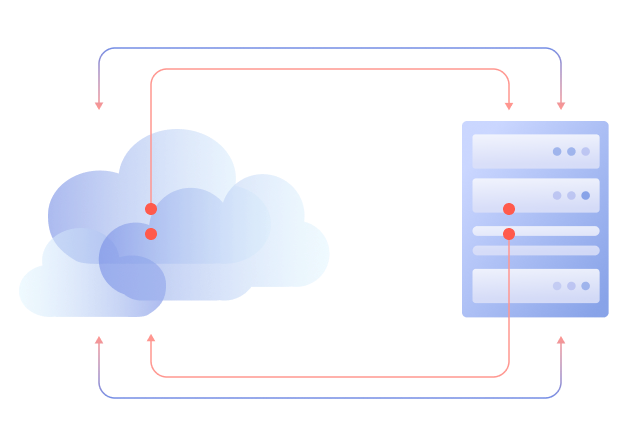
変更データキャプチャ (CDC) は、ソースデータベースの挿入、更新、削除などの変更を追跡し、ターゲットリポジトリに複製することで、リアルタイムのデータ同期とETLや他のツールとの統合を可能にします。ログベースのCDCは、トランザクションログから直接変更をキャプチャするため、高ボリューム環境において一般的に好まれます。トリガーベースのCDCは、リアルタイムデータキャプチャには効果的ですが、トリガーのオーバーヘッドによりデータベースに高い負荷をかける可能性があります。
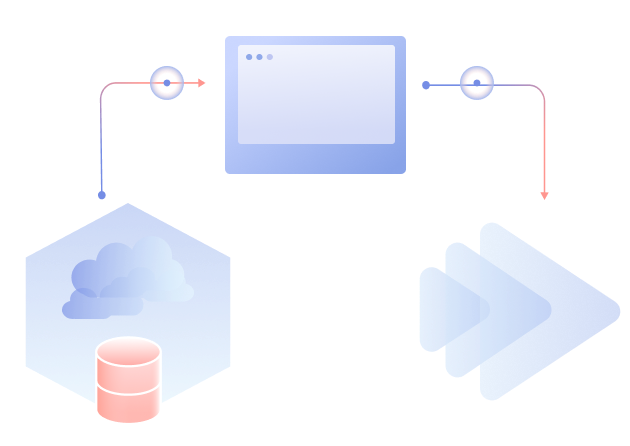
APIを使用したアプリケーション統合により、異なるソフトウェアアプリケーションがリアルタイムで通信し、データを共有できるようになり、異なるシステム間でシームレスな相互作用とデータフローを促進します。APIは、プラットフォーム間での自動化とリアルタイムデータ交換を可能にし、eコマースサイトと決済ゲートウェイを接続する、またはモバイルアプリがソーシャルメディアプラットフォームと相互作用するなど、さまざまなシナリオで重要な役割を果たします。
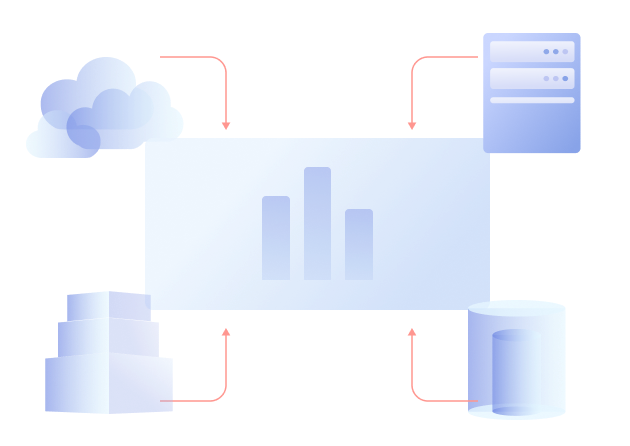
データ仮想化は、複数のソースからのデータをリアルタイムで統一的に見ることができる仮想レイヤーを提供します。これにより、物理的にデータを移動させることなく、異なるソースからのデータにアクセスし、管理できるようになります。この方法では、データウェアハウス、データレイク、クラウドサービスなどの異なるソースからのデータに、中央集権的なリポジトリにあるかのようにアクセスできます。データフェデレーションとは異なり、データ仮想化は単一の統一データモデルを必要とせず、ソースシステムへの更新を直接処理でき、データ品質を保ち、エラーを最小限に抑えることができます。
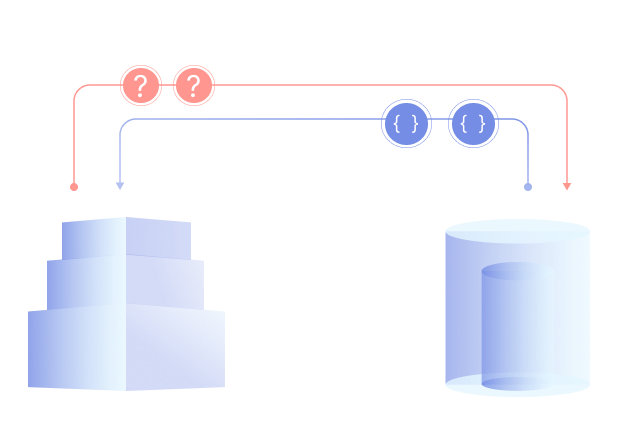
フェデレーテッドデータ統合により、データは元のソースシステムに留まり、オンデマンドクエリを介してリアルタイムで取得されます。このアプローチは、複雑なデータエコシステムを持つ組織に特に便利で、広範なデータ移動や変換を必要とせずにシームレスなデータアクセスを可能にします。データ重複を最小限に抑え、データの一貫性とリアルタイムアクセスがパフォーマンスよりも重要なシナリオに理想的です。
データ統合とは、組織内の異なる領域からのデータを一つのビューに統一または結合する実践です。
販売、製造、マーケティング、またはサプライチェーンに関わらず、現代の企業はかつてないほど多くのデータにアクセスできます。しかし、そのデータが様々なシステムに保存され、互換性のない形式で保存され、ビジネスの異なる部分によって所有されている場合、企業のリーダーシップがそれを理解するためにまとめることは、途方もない課題のように見えることがあります。
データ統合は、その課題を克服するために、すべての種類のデータを結合し活用するための正しいセットの実践と技術を使用して取り組みます。さまざまなソースからデータを集めることで、完全で最新かつ正確なデータセットが出現し、組織が迅速にデータ駆動の意思決定を行うのに役立ちます。
Successful implementation of a data integration plan faces several major challenges, many of which go well beyond budgetary constraints. Because data integration sits at the overlap of people and technologies, an organization has a lot to consider when embarking on a major data integration initiative.